


From whole foods like tofu, tempeh, and jackfruit to the incredibly convenient plant-based meats you see in stores today, there's a perfect option for just about any meal you can dream up. The key is knowing which one to pick, as each brings its own unique texture and flavor to the table.
Your Journey Into Plant-Based Meats
Welcome to the amazing and ever-growing world of vegan meat substitutes! It's a culinary space packed with delicious, satisfying, and completely cruelty-free options. Whether you've been eating plant-based for years or are just starting to dip your toes in, think of this as your friendly guide. We'll break down all the choices, from the classics to the newcomers, so you can figure out what works best for what you're cooking.
Going plant-based isn't just a passing fad. It's a real shift in how people think about food, driven by concerns for ethics, the environment, and personal health. People are realizing they don't have to sacrifice the flavors and textures they love to live more compassionately. This has sparked some incredible innovation in the food world.
Why Choose Plant-Based Alternatives
The reasons people reach for vegan meat substitutes are as varied as the products themselves. For many, it starts with an ethical choice—a desire for a cruelty-free lifestyle that values all living creatures. For others, it’s about reducing their environmental footprint, since plant-based foods generally require far fewer resources to produce than animal products.
Let’s not forget the health perks, either. These alternatives are naturally cholesterol-free and usually lower in saturated fat. You can see this shift in the numbers, too. The global vegan meat market is projected to grow significantly, reflecting a clear and lasting change in consumer choices. It’s clear these options are here to stay.
"Plant-based meats, milks, and cheeses all help people make the transition to a vegan diet. They make it easier to stay vegan. They make it more fun to be vegan."
As you dive in, remember that the plant-based world extends beyond just meat. It can be just as helpful to explore things like the best milk alternatives for coffee. This guide will give you the confidence you need to start experimenting in the kitchen with delicious, non-GMO, and compassionate ingredients.
Getting to Know the Big Three: Tofu, Tempeh, and Seitan
When you first dip your toes into the world of vegan cooking, you’ll hear three names pop up again and again: tofu, tempeh, and seitan. Think of them as the foundational trio of the plant-based kitchen. They’ve been staples for centuries, long before the latest plant-based burger craze, and for good reason. Each one brings something unique to the table, offering a different texture and purpose that makes them incredibly versatile.
Getting a handle on what makes each one special is the key to unlocking their potential. People often lump them together, but that’s like saying all pasta shapes are the same. A penne just isn’t a spaghetti, and tofu isn't tempeh. Let's break down these pillars of plant-based cooking so you can start using them like a pro.
Tofu: The Versatile Soybean Curd
Tofu is probably the most famous of the bunch. It’s made from condensed soy milk that’s pressed into a solid block, a process that’s similar to how some cheeses are made. The real magic of tofu is its chameleon-like ability to soak up flavor. It's a blank canvas, ready and waiting for whatever marinade, spice, or sauce you throw at it.
But here’s the thing: not all tofu is created equal. The secret is to understand the different levels of firmness, because that dictates everything about its texture and how you should use it.
- Silken Tofu: This stuff is incredibly soft and delicate, almost like a custard. It has a high water content and will fall apart if you look at it funny, which makes it perfect for blending into smoothies, creamy sauces, vegan sour cream, or even desserts like chocolate mousse.
- Firm Tofu: This is your trusty all-rounder. Firm tofu holds its shape much better than silken, but it’s still soft enough to crumble easily. It’s my go-to for a good vegan scramble or for replacing ricotta in a hearty lasagna.
- Extra-Firm Tofu: Now we're talking "meaty." This is the densest tofu you can get, and it’s what you want for a substantial texture. It holds up beautifully to baking, frying, grilling, and stir-frying without turning to mush.
If you take away only one tip for cooking with firm or extra-firm tofu, let it be this: press it. Tofu comes packed in water, and you absolutely have to get that liquid out to avoid a soggy, sad result. A good press makes all the difference, allowing it to get crispy and properly absorb the flavors you're adding.
Tempeh: The Fermented Powerhouse
Next up is tempeh, a traditional food from Indonesia that's also made from soybeans. But this is where it gets different. Instead of using soy milk, tempeh is made by fermenting whole cooked soybeans and pressing them into a solid, dense cake. That fermentation process gives it a distinct nutty, almost earthy flavor and a fantastic firm, chewy texture that many people find more satisfying than tofu.
Because it’s made with whole soybeans, tempeh is less processed and packs a bigger punch of protein, fiber, and other nutrients. Its texture is incredibly hearty and holds its shape perfectly, whether you're slicing it into strips for a vegan BLT, cubing it for kebabs, or crumbling it into chili.
Here’s a game-changing tip for anyone new to tempeh: steam it for about 10 minutes before you do anything else. This simple step gets rid of a slight bitterness that sometimes comes from the fermentation, making it a much better sponge for your marinades.
Seitan: The High-Protein "Wheat Meat"
Finally, we have seitan (pronounced SAY-tan), the one that breaks the soy mold. Seitan is made from vital wheat gluten, which is the main protein in wheat. It’s created by kneading and rinsing wheat flour dough to wash away the starch, leaving behind a dense, chewy, and shockingly meat-like protein. It's no wonder people call it "wheat meat."
When it comes to protein, seitan is a heavyweight, often containing as much protein per ounce as animal-based meat. Its savory flavor and incredibly dense chew make it one of the most convincing good vegan meat substitutes for dishes that traditionally call for beef or chicken—think stews, roasts, and hearty deli-style sandwiches. You can find it pre-made or even make it yourself to customize the flavor.
Looking at the bigger picture, it's clear that soy-based products have long been at the forefront of the plant-based movement. As far back as 2019, options like tofu and textured vegetable protein were the most popular vegan meat alternatives on a global scale. Their long-standing history, solid nutritional profiles, and sheer adaptability have cemented their place in the market—a position reinforced by their affordability and lower carbon footprint. You can explore more on the vegan meat market on Fortune Business Insights.
Once you get comfortable with these three foundational ingredients, you'll open up a whole new world of cooking. They are the keys to creating delicious, satisfying, and compassionate meals right in your own kitchen.
Cooking With Whole Food Meat Alternatives
While staples like tofu and tempeh are fantastic, some of the best and most satisfying vegan meat substitutes are waiting for you right in the produce aisle. This is all about getting creative with whole, unprocessed plant foods to build incredible, meaty textures from the ground up. It’s about seeing the potential in a humble mushroom or a can of jackfruit to become the star of your meal.
When you cook this way, you’re in complete control. You can craft rustic, compassionate dishes that are surprisingly convincing without relying on pre-packaged products. All it takes is the right ingredient and a little know-how.
Jackfruit: The Surprising Pulled Pork Stand-In
If you've never worked with jackfruit, you're in for a treat. Young, green jackfruit—the kind you find canned in brine, not syrup—has a wonderfully neutral flavor and a stringy texture that's a dead ringer for pulled pork or shredded chicken. It’s a true chameleon.
The trick is to rinse it thoroughly to remove the briny taste, shred it apart, and then let it soak up whatever bold flavors you throw at it. It drinks up smoky barbecue sauce or a spicy marinade beautifully. Simmer it first, then pan-fry or bake it to get those amazing crispy edges and a perfectly tender, chewy bite.
A common mistake is buying ripe jackfruit in syrup, which is sweet and better suited for desserts. Always look for young, green jackfruit in brine or water to create savory, meat-like dishes.
Mushrooms: The Earthy and Umami-Rich Option
Mushrooms have long been a go-to for creating meaty dishes, and for good reason. Their naturally savory, umami flavor and dense structure make them one of the most versatile whole-food substitutes out there. Different types work for different things.
- Portobello Mushrooms: These big, dense caps are the original veggie burger, and they still hold up. Their size and firm texture are perfect for grilling or baking, giving you a juicy, satisfying result every time.
- King Oyster Mushrooms: Don't sleep on the stems! The thick, firm stems of king oysters can be sliced into rounds and seared like scallops or shredded to mimic pulled chicken.
- Shiitake Mushrooms: When you cook shiitakes, they develop an incredible smoky flavor and a great chewy texture. They’re fantastic in stir-fries and noodle dishes, and you can even slice them thin and bake them until they're crispy for a "bacon" substitute.
Legumes: The Hearty and Humble Foundation
Never underestimate a good bean. Lentils, chickpeas, and black beans are the inexpensive, protein-packed workhorses of the plant-based world. They form the backbone of countless hearty, meatless dishes globally. While some soy products like textured soy curls offer a unique texture—you can learn more about what soy curls are in our other articles—traditional legumes provide a different kind of satisfying heft.
A classic lentil bolognese is the perfect example. The small, firm lentils do a fantastic job of mimicking the texture of ground meat in a rich sauce. Or, mash up some black beans or chickpeas with spices and a binder like oats to create amazing veggie burgers and savory meatloaves that hold together beautifully.
By getting comfortable with these whole-food alternatives, you get to call all the shots on flavor and ingredients. You can make truly wholesome, delicious meals that satisfy that craving for a meaty texture, all while sticking to a compassionate, plant-based lifestyle. The possibilities are really as endless as your spice cabinet.
Navigating The New Wave Of Plant-Based Meats
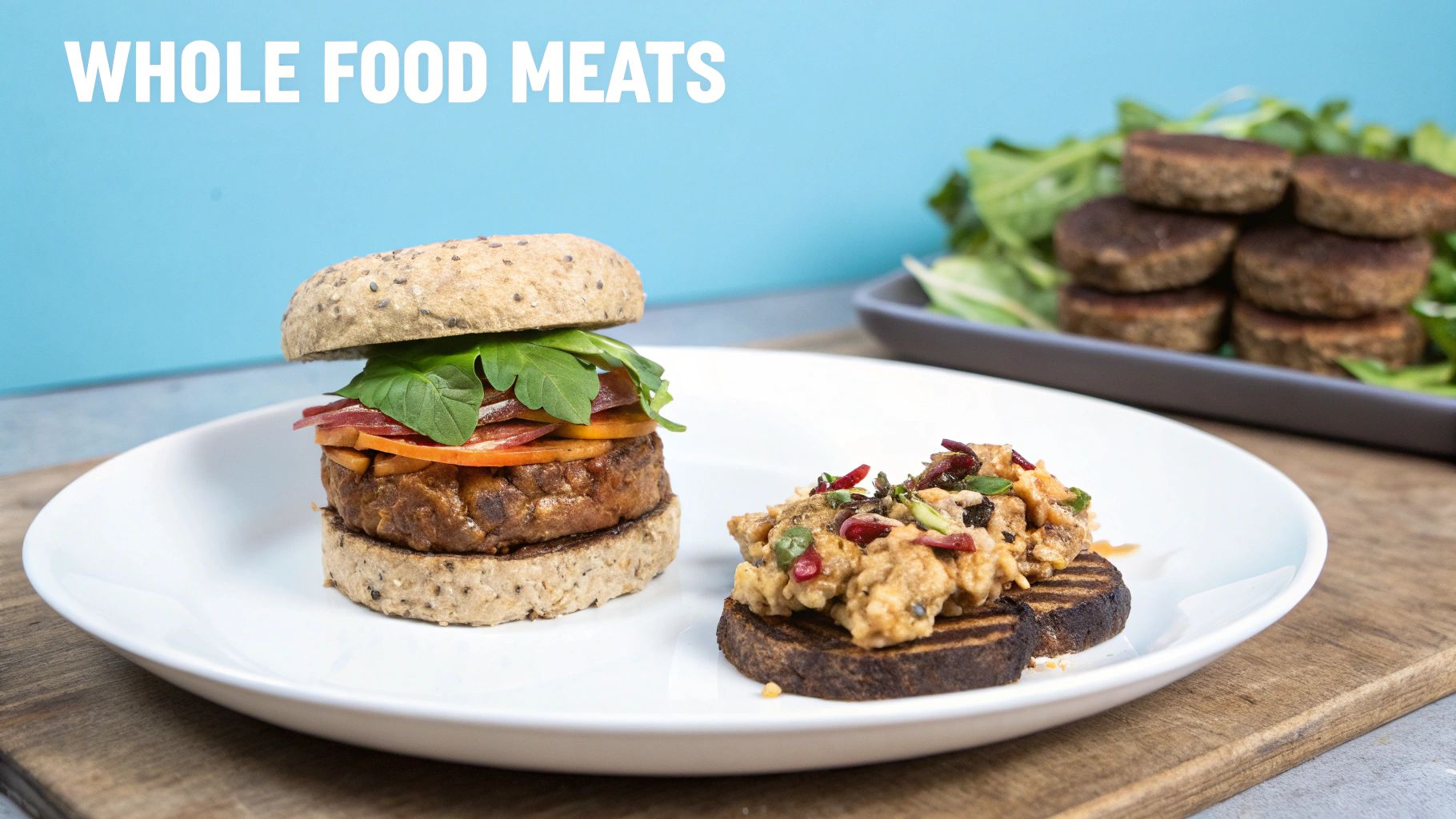
Once you venture beyond whole foods and traditional soy, you'll discover a whole universe of modern, store-bought vegan meats. These aren't your parents' veggie burgers. Today's options are meticulously engineered to replicate the taste and texture of animal meat with stunning realism. This new generation of good vegan meat substitutes has made it easier than ever to whip up old favorites—burgers, sausages, nuggets—without straying from your cruelty-free, non-GMO principles.
This isn't some kitchen magic; it's the result of brilliant food science. Brands are getting creative, blending different plant proteins to nail that perfect, meaty bite. You’ll often see pea protein on the ingredient list, which gives products a satisfyingly dense structure. Another star player is mycoprotein, a fungus-based protein celebrated for its uniquely fibrous, meat-like chew. These ingredients form the backbone of products that can sizzle, grill, and brown just like their animal-based counterparts.
What To Look For On The Label
Stepping into the plant-based section of a grocery store can feel a bit overwhelming with all the choices. The secret is to become a savvy label reader. Once you know what to look for, you can confidently pick high-quality products that match both your taste and your values.
Here are a few things to keep in mind on your next shopping run:
- Check the Protein Source: Look for proteins you recognize, like pea, soy, or wheat. These are fantastic, time-tested bases for meat alternatives.
- Scan for Certifications: Keep an eye out for official seals like "Certified Vegan" and "Non-GMO Project Verified." These give you peace of mind that the product meets strict quality and cruelty-free standards.
- Review the Ingredient List: Often, a shorter list of recognizable ingredients is a good sign. While some processing is needed to craft these foods, you can still find plenty of options made with simple, wholesome components.
Choosing a commercial plant-based meat doesn't mean you're settling for something less authentic. It means you're choosing convenience and taste without contributing to animal exploitation—a win-win for busy schedules and compassionate living.
Ultimately, these products make plant-based eating more accessible and fun for everyone. They empower people to recreate cherished family recipes or cultural dishes in a way that’s kind to animals, which is a powerful way to make a lasting change.
From Burgers To On-The-Go Snacks
The sheer variety available today is incredible. You're no longer stuck with one type of veggie patty. The modern market for good vegan meat substitutes offers a full lineup of options for any meal or craving, from seasoned grounds perfect for taco night to juicy sausages that are a weekend brunch game-changer.
This creativity extends far beyond mealtime staples. The quality of plant-based convenience foods has skyrocketed. For anyone needing a quick, protein-packed bite, options like Louisville Vegan Jerky are a lifesaver. It delivers that classic, satisfying chew you want from jerky but is made entirely from plants—perfect for a post-workout snack or a road trip.
Likewise, products like Louisville Toppins’ give you an easy way to add a savory, bacon-like crunch to your food. Just sprinkle them over a salad, baked potato, or bowl of soup to instantly elevate the flavor and texture. These grab-and-go options make it effortless to work more plant-based goodness into your daily routine. It’s fascinating to see how different brands achieve these textures; if you want to dive deeper, you can learn more about how plant-based beef alternatives achieve their texture in our other guides. This modern wave of plant-based meats truly offers something for everyone, making a cruelty-free lifestyle more delicious and convenient than ever.
How To Master Flavor And Texture In Vegan Cooking
Let's get one thing straight: the secret to amazing plant-based food isn't about finding the perfect substitute. It’s about knowing what to do with it once you have it. Ingredients like tofu or jackfruit are like a blank canvas—they're waiting for you to bring the flavor and character. If you learn how to master flavor and texture, you can turn these humble staples into meals people will actually crave.
This is where we move beyond just steaming some tofu and hoping for the best. We're going to build layers of flavor that create a truly satisfying, savory experience. The key is embracing umami, that rich, meaty depth that makes food feel complete and delicious.
Building a Flavor Foundation
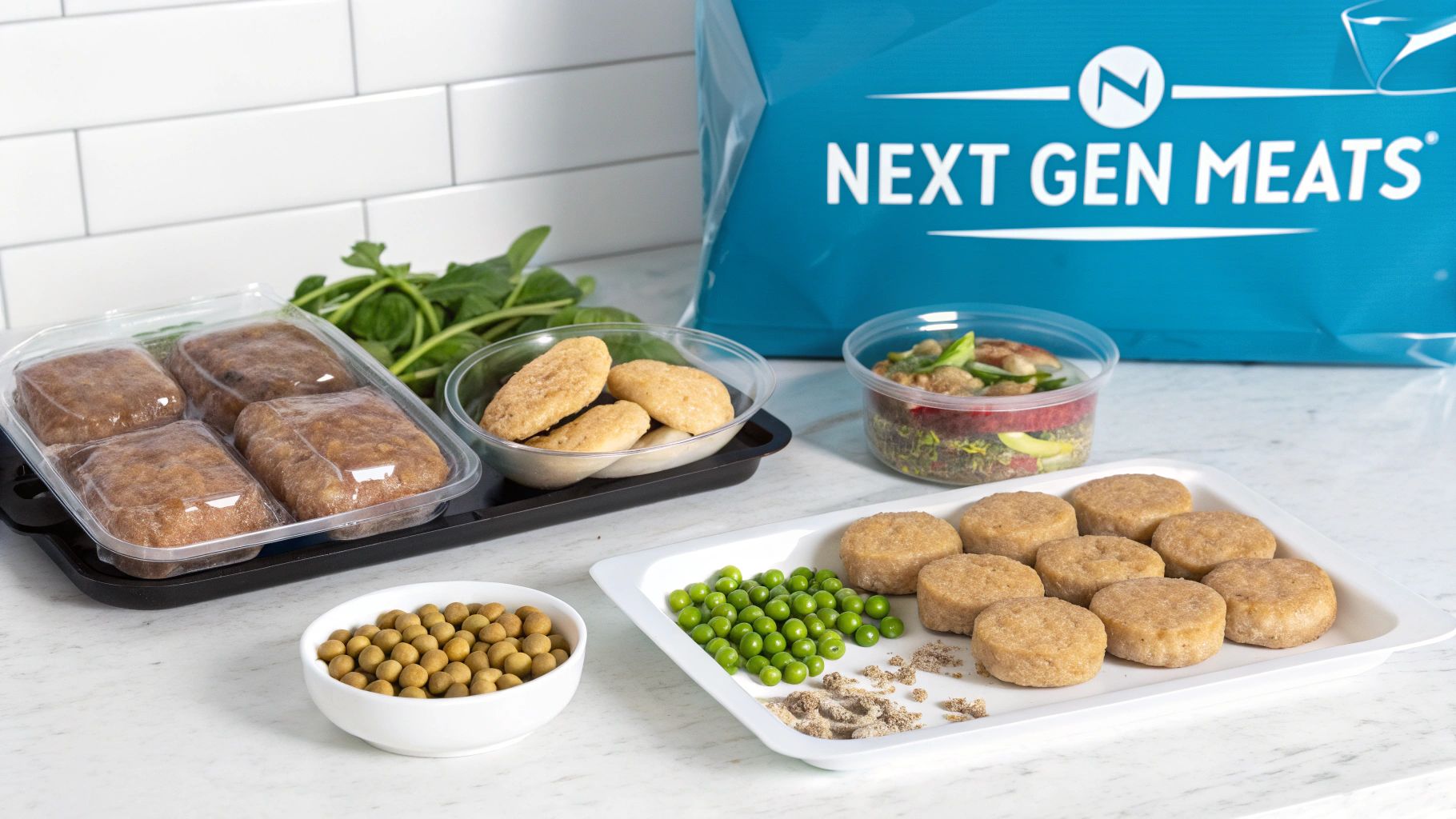
To get that mouth-watering result, you need an arsenal of flavor-packed ingredients. Think of these as your secret weapons for infusing plant-based proteins with the complexity they need to shine.
- Umami-Rich Liquids: Get some tamari or soy sauce, vegan Worcestershire, and mushroom broth in your pantry. These are non-negotiable for building that salty, savory base in any marinade or sauce.
- Smoky Elements: Just a tiny bit of liquid smoke can make pulled jackfruit taste like it came right off the grill. Smoked paprika is another must-have, bringing in a gorgeous color and a warm, smoky vibe.
- Savory Powders: Nutritional yeast is a vegan legend for a reason. It adds a cheesy, nutty note that's incredible in sauces or as a crispy coating. And of course, onion and garlic powder are the bedrock of almost any savory dish.
Getting a handle on how these elements play together is crucial. A deeper dive into the five basic tastes in food can really level up your cooking by helping you create more balanced and exciting meals.
The Magic of Marinades and Rubs
When you're working with tofu, tempeh, or seitan, marinating is your best friend. It’s the easiest way to get flavor deep inside. A great marinade needs a balance of salty (like tamari), acidic (a splash of vinegar or citrus), and aromatic (think garlic and ginger). Give your protein at least 30 minutes to soak, but honestly, a few hours or even overnight makes a world of difference.
Dry rubs work a little differently. They’re perfect for creating that amazing crust on the outside. A simple blend of smoked paprika, cumin, chili powder, and black pepper rubbed onto mushrooms or seitan before they hit the grill or pan is a total game-changer.
A well-crafted marinade doesn't just add flavor; it also tenderizes. The acidic components help to break down the surface of the substitute, allowing it to absorb more of the seasoning and achieve a more pleasant texture.
Matching The Method To The Substitute
The way you cook your substitute is just as critical as how you season it. The right technique can transform a soft ingredient into something crispy, chewy, or tender. Knowing which method works best for each protein is what separates the good from the great. For instance, some ingredients have very specific prep needs, like TVP, which we cover in our guide on how to cook with textured vegetable protein.
To make it even easier, I've put together a quick guide that pairs popular substitutes with the cooking methods that really make them sing.
Best Cooking Methods For Each Substitute
This table is your cheat sheet for nailing the texture every single time, matching each protein with the cooking style that brings out its absolute best.
| Substitute | Best Cooking Method | Resulting Texture | Pro Tip |
|---|---|---|---|
| Extra-Firm Tofu | Baking or Air Frying | Crispy exterior, chewy interior | Press it well, then toss in cornstarch before seasoning for maximum crispiness. |
| Tempeh | Pan-Searing or Grilling | Firm, nutty, and slightly crispy | Steam it for 10 minutes before marinating to remove any bitterness and help it soften. |
| Seitan | Simmering or Pan-Frying | Dense and satisfyingly chewy | Simmering seitan in a flavorful broth first keeps it moist and tender when you fry it. |
| Jackfruit | Slow Cooking or Sautéing | Tender and easily shreddable | After slow cooking, sauté it in a pan to get those delicious, crispy brown bits. |
| Mushrooms | Roasting or Grilling | Meaty, juicy, and caramelized | Don't overcrowd the pan when roasting! This ensures they brown instead of just steaming. |
Think of these pairings as starting points. Once you get the hang of them, you'll be able to experiment and find what works best for your own recipes. Happy cooking
Common Questions About Vegan Meat Substitutes
Diving into the world of vegan meat substitutes can bring up a ton of questions. It doesn't matter if you've been vegan for years or are just starting to explore plant-based eating—it’s totally normal to wonder about health, texture, and where to even begin.
Think of this as your go-to guide for clear, straightforward answers. We're here to bust some myths and get you past any hurdles so you can get back to what really matters: enjoying incredible food.
Are Vegan Meat Substitutes Actually Healthy?
This is easily one of the most common questions out there, and the answer is a classic: it depends.
Many options are absolute nutritional powerhouses. Whole-food substitutes like lentils, beans, and tempeh are loaded with fiber, protein, and all sorts of essential nutrients. Plus, they come with zero cholesterol and are typically much lower in saturated fat than their animal-based counterparts.
When you venture into the world of pre-made commercial products, it’s smart to become a bit of a label-reader. While plenty of brands use high-quality, non-GMO ingredients, others can be a little heavy on the sodium or added fats. A good rule of thumb? Shorter ingredient lists with words you recognize are usually a green flag.
Ultimately, a healthy diet is all about balance. Mixing whole foods with the convenience of modern plant-based meats can be a fantastic, and compassionate, way to eat.
How Do I Get The Right Meaty Texture?
This is where the magic happens. Nailing that satisfying, "meaty" chew is often the final piece of the puzzle, and the good news is, you have way more control than you think. It really just boils down to managing moisture and choosing the right cooking method.
Here are a few game-changing tricks to help you master texture:
- For Tofu: The secret is to press it. Seriously, don't skip this step! Squeezing the water out of a block of firm or extra-firm tofu is the only way to get a firm, toothsome bite. Want to take it to the next level? Try freezing the pressed block, letting it thaw completely, and then pressing it again. This creates an incredible, spongy structure that soaks up marinades like a dream.
- For Jackfruit: Your goal here is tender, shreddable perfection. After you rinse the canned young jackfruit, let it simmer in a flavorful broth for about 20-30 minutes. This makes the pieces incredibly soft and easy to pull apart with two forks—it's the ideal texture for mimicking pulled pork.
- For Seitan: Seitan already has a naturally dense, meat-like structure. To make it even better, simmer it in a savory broth before you pan-fry or grill it. This simple step infuses it with flavor from the inside out and keeps it juicy and tender.
Which Substitute Is Best For A Beginner?
If you're just starting out, you want something that’s versatile, forgiving, and easy to find. For all those reasons, extra-firm tofu is the perfect gateway.
It has a super neutral flavor, which means it’s a blank canvas for whatever you’re cooking. Just press it, cube it up, and throw it into a stir-fry or bake it with your favorite spices. It's that simple.
Another fantastic option for beginners is pre-made plant-based grounds. You can find these in the refrigerated or frozen aisle of just about any grocery store these days. They cook up in a similar way to ground meat, making them a seamless swap in familiar recipes like tacos, chili, or shepherd's pie. It's a great way to build confidence in the kitchen without a steep learning curve.
Plant-based meats, milks, and cheeses all help people make the transition to a vegan diet. They make it easier to stay vegan. They make it more fun to be vegan.
Where Can I Buy Good Vegan Meat Substitutes?
Finding delicious, cruelty-free options has never been easier. Most major grocery stores now have entire sections dedicated to plant-based foods, stocking everything from tofu and tempeh to the latest and greatest in plant-based burgers and sausages. For an even bigger selection, it’s always worth checking out a specialty health food store.
And of course, there’s a whole world of incredible products online. For those times you need a convenient snack or a flavorful finishing touch for your meals, you don't have to look far.
For on-the-go fuel or a savory crunch to top your favorite meals, check out the amazing, non-GMO options from Louisville Jerky Co. You can find our full range of flavorful jerky and crispy Toppins’ right here on our website. Explore our bundles and find your new favorite snack at https://lvjco.com.