


Choosing plant-based protein is one of the most powerful decisions you can make—not just for your own health, but for the planet and for a more compassionate way of living. It's a simple switch that can lead to improved heart health, help you build muscle, and shrink your carbon footprint.
The Plant Powered Shift: Why Plant Protein Is Gaining Momentum

Let's be clear: plant-based eating isn't just some fleeting trend. It’s a full-blown global movement built on conscious, intentional choices. All over the world, people are waking up to the incredible upsides of getting their protein from plants—a decision that has a ripple effect on personal health, environmental sustainability, and animal welfare.
At its core, this shift is fueled by a deeper understanding of the connection between what we eat and how we feel. A diet packed with plant protein just naturally fits with a cruelty-free, non-GMO, and vegan lifestyle, giving you a way to fuel your body that also feels good for the soul.
A Growing Global Appetite
And it's not just a feeling; the numbers tell the same story. The global market for plant-based protein is expected to more than double, rocketing from USD 20.3 billion in 2025 to a staggering USD 46 billion by 2035. That's an 8.5% growth rate every single year, showing just how much consumer demand for healthier, more sustainable options is shaking up the food industry. You can read more about the plant-based protein market growth and see for yourself what this means for all of us.
In this guide, we'll walk through the many benefits of plant-based protein and show you just how easy it is to make choices that are better for you and the world around you. First, here’s a quick look at the key advantages we’ll dive into.
Key Benefits of Plant Based Protein at a Glance
This table gives you a snapshot of the primary advantages of bringing more plant-based protein into your diet, covering everything from health and fitness to the environment.
| Benefit Category | Key Advantage | Example |
|---|---|---|
| Health & Wellness | Supports heart health with lower saturated fat and no cholesterol. | Swapping animal protein for lentils or beans in a chili. |
| Environmental Impact | Significantly reduces carbon footprint, water usage, and land degradation. | Choosing a tofu scramble over a non-vegan breakfast. |
| Fitness & Performance | Effectively builds and repairs muscle tissue for active lifestyles. | Fueling post-workout recovery with a pea protein shake. |
| Ethical Living | Aligns with a compassionate, cruelty-free approach to food. | Opting for plant-based jerky for a satisfying, ethical snack. |
As you can see, the "why" behind this movement is compelling, touching on nearly every aspect of a well-rounded, conscious lifestyle.
Fuel Your Body with Healthier Choices
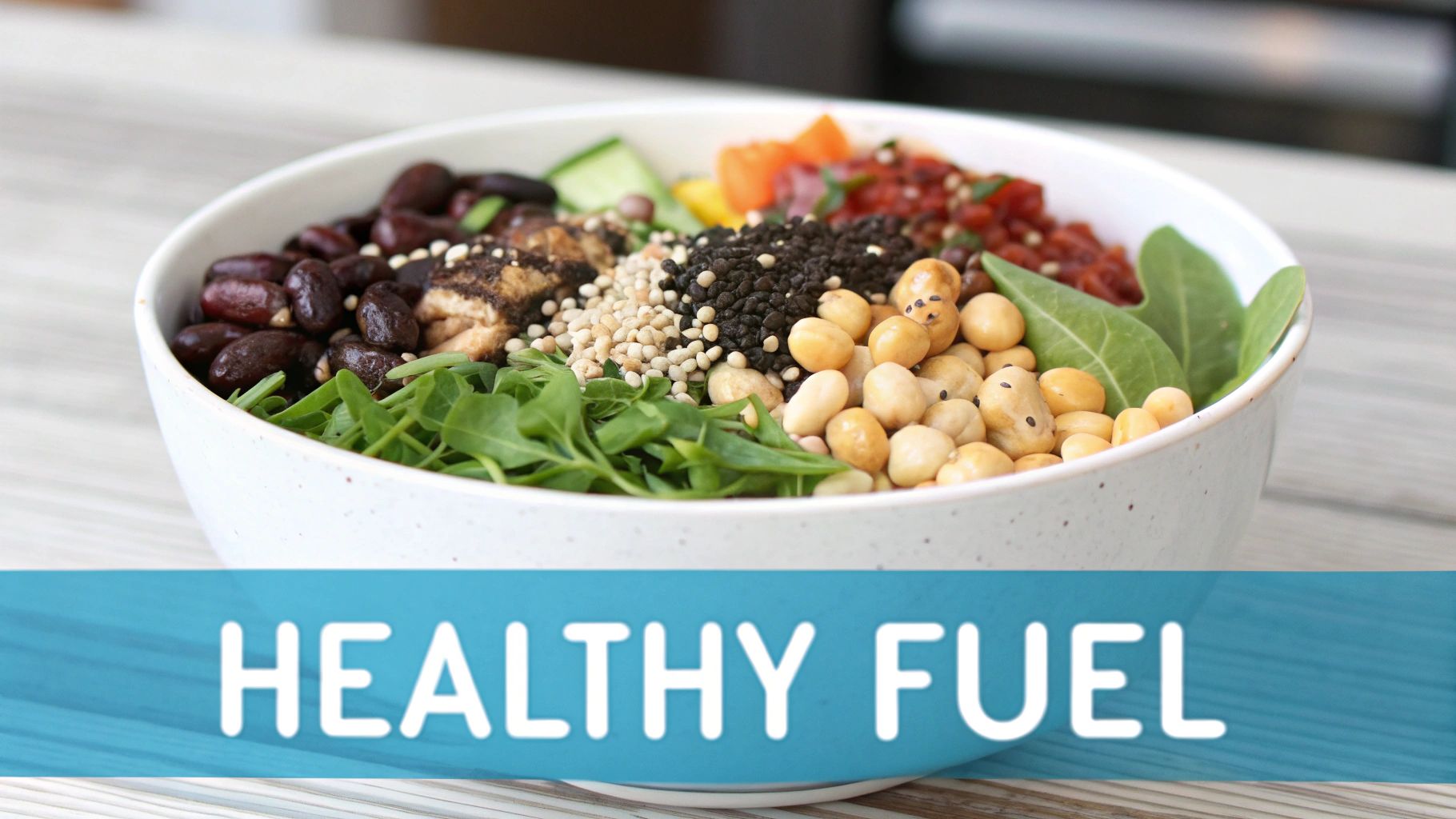
Choosing plant-based protein isn’t just an act of compassion—it's one of the best investments you can make in your own health. The benefits aren't just vague wellness claims; they're real, science-backed advantages that can change how you feel day in and day out. It’s a powerful way to nourish your body from the inside out.
One of the biggest wins is for your heart. Plant proteins are naturally 100% free of dietary cholesterol and are almost always low in saturated fat. Think of it like swapping a clogged side street for a clear, open highway—by cutting down on these compounds, you’re helping your cardiovascular system run more smoothly and supporting healthy blood pressure.
Boost Your Gut Health and Manage Weight
Your digestive system gets a major upgrade, too. Plant-based proteins are loaded with dietary fiber, which is something most of us just don't get enough of. Fiber is basically food for the good bacteria in your gut, and a happy gut microbiome is linked to everything from better digestion to a stronger immune system.
That fiber content is also a game-changer for weight management. It keeps you feeling full and satisfied much longer, which helps curb cravings and prevent overeating. You get a slow, steady release of energy instead of a sharp spike and crash, making it far easier to maintain a healthy weight.
By choosing a diet rich in plant proteins, you actively lower your risk for several chronic diseases. It’s a foundational step toward building a healthier, more resilient body for years to come.
A Path to Healthier Aging and Strong Muscles
It's no surprise that people's perception of plant protein has shifted for the better—the results speak for themselves. The latest consumer data shows that plant-based proteins are now viewed as a true wellness powerhouse. In fact, nearly 80% of people believe they support healthier aging.
And what about strength? The old myths are finally dying. A full 78% of consumers now agree that plant proteins are effective for building and maintaining muscle. Even with all the new diet trends, 77% see plant-based foods as a key tool for managing weight.
This data just confirms what many of us have already figured out: fueling your body with plants gives you the nutrients you need to feel vital at every age. If you're serious about your fitness, learning how to use plant-based protein for muscle building can completely transform your results.
Of course, a well-rounded diet is about more than just protein. To make sure you're covering all your bases, check out this ultimate guide to Vegan Omega 3 to learn about getting enough healthy fats. Every thoughtful choice you make is another step toward a more vibrant, healthier you.
Nourish the Planet with Every Meal
What you eat matters. Your food choices create a ripple effect that stretches far beyond your own kitchen, and this is where plant-based protein truly shines. It's more than just a diet—it's a direct way to build a healthier, more sustainable planet. This isn't about giving something up; it's about gaining a powerful way to make a difference.
Think of Earth's resources like a bank account. Every food we produce makes a withdrawal of water, land, and energy. Plant-based proteins are simply the most efficient option, letting us eat well while spending far less of our planet’s precious capital.
By choosing plants, you become part of the solution to some of our biggest environmental challenges. Every meal is a chance to vote for a kinder, more sustainable food system.
A Lighter Footprint on the Earth
When you compare plant and animal protein production, the numbers are staggering. Raising animals for food is an incredibly resource-heavy process. It requires massive amounts of land for grazing and growing feed, which often drives deforestation, destroying critical habitats and wiping out biodiversity.
Growing plants for protein, on the other hand, takes just a fraction of the land. This efficiency helps us preserve natural habitats, protect wildlife, and keep our delicate ecosystems in balance. Opting for a plant-based snack is a real, tangible way to lighten our collective footprint on the land we all call home.
Conserving Water and Cleaning the Air
The environmental perks don't stop there. Animal agriculture consumes an unbelievable amount of water for the animals to drink, for cleaning, and for irrigating all the crops grown just to feed them. Plant proteins are far less thirsty, which dramatically reduces the strain on our global water supplies.
This is a huge reason why so many people are making the switch. Plant-based proteins use up to 90% less water and emit 90% less CO2 than animal-based proteins. This massive reduction in impact is a key reason the market is expected to grow to USD 78.94 billion by 2033, as more of us choose food that reflects our values. You can discover more insights about the sustainable protein market and see just how big this movement is becoming.
Choosing plant protein isn't a small act. It's a meaningful contribution to fighting climate change, protecting biodiversity, and building a more sustainable future for everyone.
Embracing plant-based protein is about extending compassion not just to animals, but to our entire planet. It's a delicious and deeply satisfying way to nourish yourself while also nurturing the Earth, one meal at a time.
Busting Common Myths About Plant Protein
Diving into the world of nutrition can feel like navigating a maze, especially with all the noise surrounding protein. There’s a lot of misinformation out there about plant-based protein, but the truth is actually pretty simple. Let's clear the air and look at the facts.
One of the oldest and most stubborn myths is all about "incomplete" proteins. To get this, we first need to talk about amino acids. Think of them as the tiny building blocks—like individual LEGO bricks—that your body uses to build and repair everything from muscle fibers to hormones.
There are nine of these bricks, called essential amino acids, that we must get from our food because our bodies can't produce them. The myth suggests that most plant foods are missing some of these essential bricks, making them an inferior protein source.
That’s just not how it works.
The Myth of Incomplete Protein
The whole idea of "incomplete" plant protein is based on outdated science that has been thoroughly debunked. While it's true that a single plant food might be lower in one or two essential amino acids, our bodies are far smarter than that. They create a reservoir, or an "amino acid pool," from all the different foods we eat throughout the day.
This means you absolutely do not need to get every essential amino acid in one sitting. As long as you’re eating a good variety of plant foods—think beans, lentils, nuts, seeds, and whole grains—your body will have a full set of LEGOs to build with.
A varied plant-based diet provides all the essential amino acids your body needs to thrive. The secret isn't obsessing over food combinations at every meal; it's simply eating a range of different foods over the course of your day.
The classic example is rice and beans. Rice is a bit lower in the amino acid lysine, while beans are loaded with it. But you don't even need to eat them together! Your body’s amino acid pool takes care of the mixing and matching for you.
Understanding Bioavailability
Another term that gets thrown around is bioavailability. It sounds complicated, but it just means how well your body can absorb and use a nutrient from a particular food. Critics sometimes claim that nutrients from plants are less bioavailable, but this misses the big picture and the incredibly easy ways to work with your body's natural processes.
Take iron, for example. Plants contain non-heme iron, which is absorbed a little differently than the heme iron found in animal products. But you can give its absorption a massive boost with one simple trick: just add some Vitamin C.
Here are a few real-world examples of how to do it:
- Squeeze fresh lemon juice over a warm lentil soup or a big spinach salad.
- Toss some chopped bell peppers (a Vitamin C powerhouse) into your bean chili.
- Enjoy a side of steamed broccoli with your tofu scramble.
Easily Meet Your Protein Needs Every Day
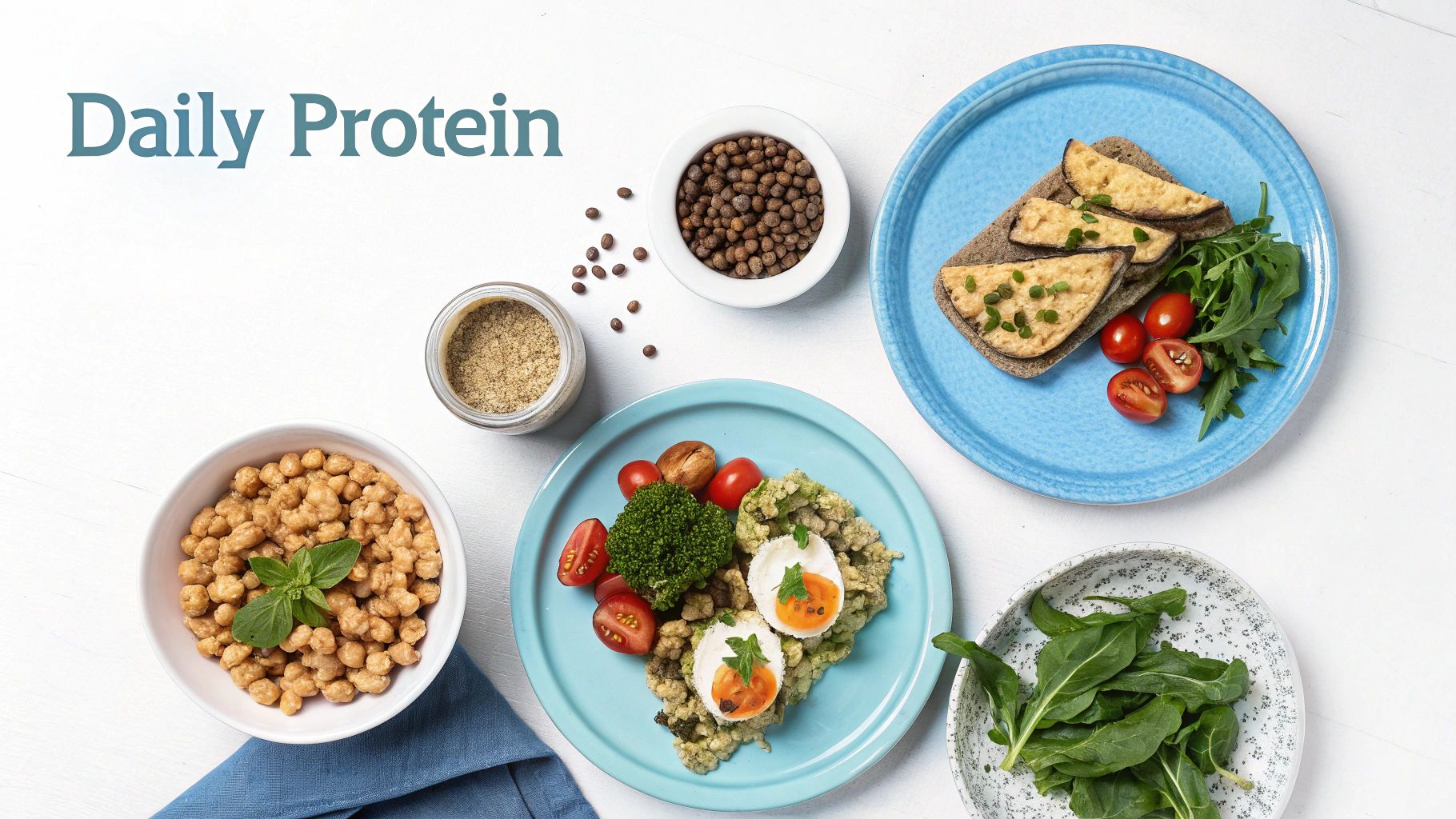
Knowing the benefits of plant protein is great, but putting that knowledge into practice is where the real magic happens. The good news? Building a protein-rich, plant-based diet is far easier—and more delicious—than most people think. This isn't about restriction; it's about opening up a whole new world of powerful, satisfying foods.
Making the shift can be as simple as adding in a few plant-based powerhouses. Foods like lentils, chickpeas, tofu, tempeh, seeds, and quinoa are not only protein-packed but also loaded with fiber and other key nutrients. Every meal becomes a chance to fuel your body with clean, efficient energy.
Your Go-To Plant Protein Sources
To make meal planning a breeze, it helps to know which foods give you the most protein bang for your buck. When you keep a few of these staples in your kitchen, you’ll always have a high-protein option ready to go. From hearty legumes to versatile soy products, the options are endless and fit into just about any recipe you can dream up.
High-Protein Plant Foods for Your Daily Meals
This handy table breaks down some of the best vegan sources by their protein content. Use it as a quick-reference guide to see how easily you can build a satisfying, protein-forward meal.
| Plant Protein Source | Serving Size | Protein Content (grams) |
|---|---|---|
| Lentils (Cooked) | 1 cup | ~18g |
| Tofu (Firm) | 1/2 cup | ~22g |
| Tempeh | 1 cup | ~34g |
| Edamame (Shelled) | 1 cup | ~18g |
| Hemp Seeds | 3 tablespoons | ~10g |
| Quinoa (Cooked) | 1 cup | ~8g |
| Chickpeas (Cooked) | 1 cup | ~15g |
As you can see, hitting your daily goals is totally straightforward when you start weaving these foods into your routine.
Simple Ideas for Protein-Packed Meals
Bringing these ingredients into your daily life is simpler than you think. For breakfast, you could whip up a tofu scramble with your favorite spices or toss a scoop of hemp seeds into your oatmeal for a nutty, protein-rich start. These little additions set the stage for a day of sustained energy.
Lunch and dinner are just as easy. Think big salads topped with roasted chickpeas for a satisfying crunch or a hearty lentil soup for a comforting and filling meal. A quick stir-fry with tempeh or tofu is a perfect weeknight dinner solution. If you're looking for even more inspiration, check out our guide on how to get more protein as a vegan for tons of extra tips and ideas.
Smart snacking is your secret weapon for staying energized and meeting your protein needs, especially on busy days when a full meal isn't an option.
Smart Snacking for On-the-Go Fuel
Life gets hectic. That’s where smart, convenient snacks make all the difference. Instead of reaching for something full of empty calories, grabbing a snack that keeps you full and focused is a game-changer.
This is where Louisville Jerky Co.'s plant-based jerky comes in. It’s the perfect fix for a quick and satisfying snack, delivering that classic chewy texture and bold flavor you crave while packing a serious protein punch. It's the ideal fuel for post-workout recovery, long road trips, or just beating that 3 p.m. slump at your desk.
And don't be afraid to get creative with it. Crumble some Smoky Carolina BBQ jerky over a salad for a savory kick, or sprinkle our Louisville Toppins' on a loaded baked potato for a delicious, bacon-like crunch. It's a ridiculously easy—and tasty—way to elevate your meals while boosting your protein at the same time.
Your Plant-Based Protein Questions Answered
Even with all the amazing benefits, it's totally normal to have a few questions swirling around as you dip your toes into plant-based eating. Let's clear the air and tackle some of the most common things people ask. My goal here is to make sure you feel totally confident and ready to power your life with plants.
From athletes wondering about performance to folks with food sensitivities, we've got you covered. Let's dive right in.
Will I Get Enough Protein As A Vegan Athlete?
You absolutely can. In fact, some of the world's top athletes are powered entirely by plants. The real secret isn't where your protein comes from, but making sure your overall diet is high-quality and you're getting enough of it. It all boils down to consuming enough calories and building your meals around a variety of protein-packed foods.
To keep your body in peak condition for muscle repair and recovery, make these your staples:
- Legumes: Lentils and chickpeas are your best friends for building hearty, protein-rich meals.
- Soy Products: Tofu, tempeh, and edamame are incredibly versatile and absolutely loaded with protein.
- Whole Grains and Seeds: Think quinoa, seitan, and hemp seeds. They deliver a one-two punch of protein and other essential nutrients.
And don't forget, a good plant-based protein powder can be a game-changer for that post-workout boost, getting those crucial amino acids to your muscles right when they need them most.
What Are The Best Plant Protein Sources If I Have A Soy Allergy?
A soy allergy might feel like a roadblock, but it’s really just a detour. The plant kingdom is massive, offering an incredible variety of soy-free protein sources to build your diet around. You can thrive without ever touching soy.
Some of the best soy-free powerhouses include lentils, chickpeas, black beans, nuts and their butters, and seeds like hemp, chia, and pumpkin. Ancient grains like quinoa and amaranth are also fantastic options. If gluten isn't an issue for you, seitan (made from wheat gluten) is an exceptionally high-protein alternative that's worth a try. For a closer look at your options, our guide on what is vegan protein has even more great ideas.
How Can I Easily Add More Plant Protein To My Snacks?
Snacking is probably the easiest way to sneak more protein into your day. The trick is to pick snacks that are quick, satisfying, and actually good for you. This is your chance to fuel up between meals and keep your energy from tanking.
Convenient, high-protein vegan snacks are more accessible than ever, making it simple to stay fueled on the go without compromising your health or values.
A handful of almonds, some crunchy roasted chickpeas, or hummus with whole-grain crackers are all solid choices. But when you need something savory, satisfying, and ready to go, Louisville Jerky Co.'s plant-based jerky is tough to beat. It’s the perfect fix for a post-workout craving or that dreaded afternoon slump.
Ready to taste the difference for yourself? Check out the full lineup of bold, satisfying flavors from Louisville Jerky Co. and find your new favorite high-protein snack. Shop Now.