


If you're serious about your training, high-quality protein snacks for athletes aren't just a nice-to-have; they're an absolute necessity. They are the fundamental building blocks your body uses for muscle repair, recovery, and growth, making sure you can handle the stress of hard workouts and come back stronger every single time.
Why Protein Snacks Are Essential for Peak Performance
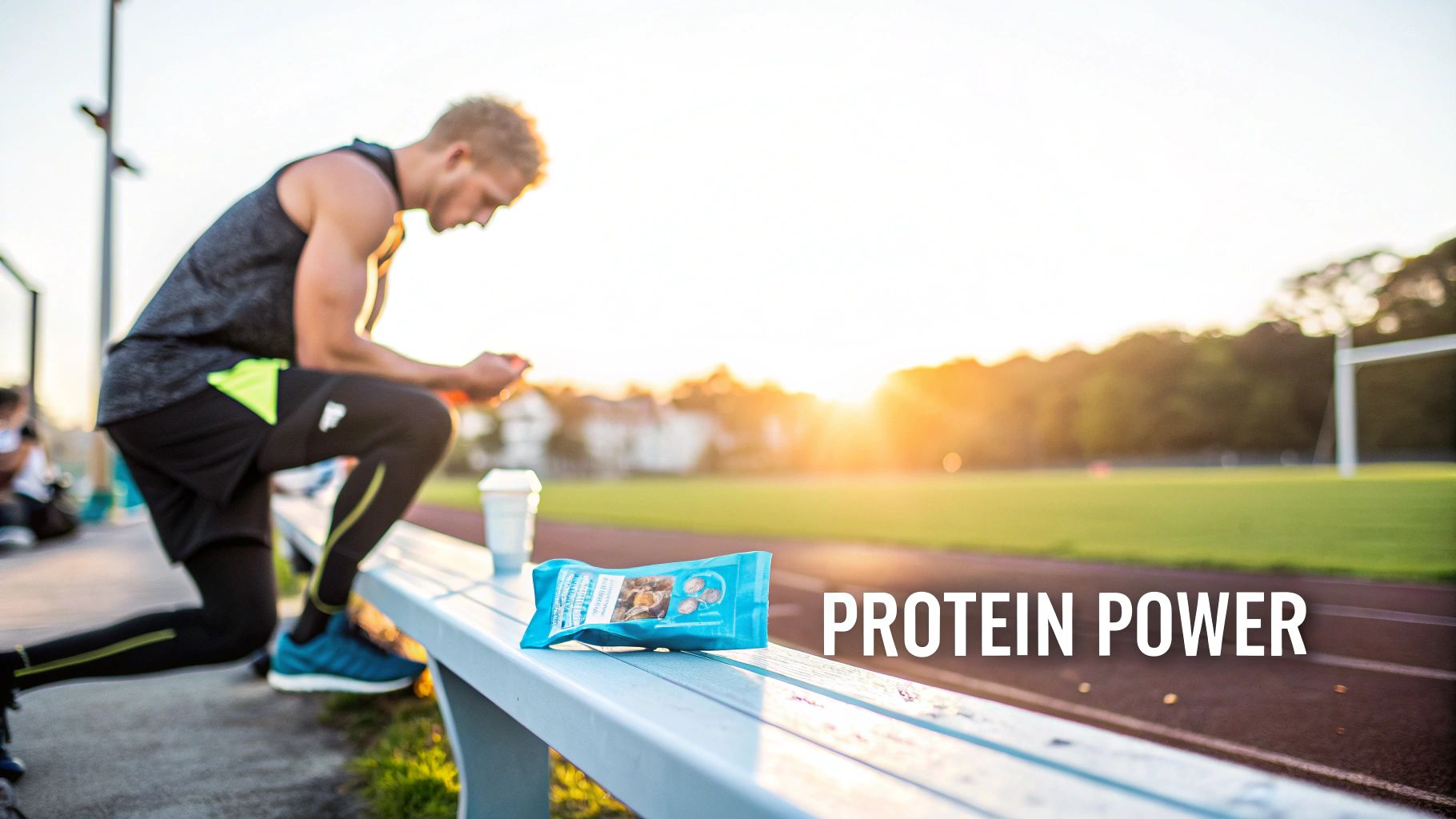
At Louisville Brands, we make a plant-based snack called Gym Snack that is built to fuel your performance. Gym Snack has 30 grams of protein in each bag, with a pea protein base.
Picture your body as a high-performance race car. Every intense training session—lifting, running, competing—is like pushing that engine to its redline. This effort naturally causes microscopic tears in your muscle fibers, which is exactly how you get stronger. It's part of the process.
But to properly rebuild and reinforce those fibers, you need the right raw materials. That's where protein comes in. It's the premium fuel and the expert pit crew all in one, patching up the damage and making your muscles more powerful than before. If you skimp on protein, your recovery grinds to a halt, and your performance pays the price.
Fueling the Plant-Based Athlete
For vegan athletes, nailing your protein snacking strategy is critical. The right plant-based options provide all the muscle-repairing power you need without the digestive heaviness or ethical compromises of animal products. It’s all about finding a clean, efficient fuel source that aligns with your values.
This is precisely why having powerful, portable, and convenient protein snacks in your arsenal is a total game-changer. They fill the nutritional gaps between meals, ensuring your muscles get the support they need, right when they need it most. This isn't just a niche idea anymore; it's a huge shift in sports nutrition.
The global protein snacks market is exploding, projected to climb from US$4,796.3 million in 2025 to an incredible US$8,624.3 million by 2032. And plant-based options are at the forefront of this movement, expected to command a 62.6% market share in 2025 as more athletes choose them for ethical, environmental, and health reasons.
What does this mean for you? More access to portable power. A single, well-chosen snack can deliver 10-15 grams of plant protein to kickstart muscle rebuilding right after a tough session.
The Power of Smart Snacking
At the end of the day, smart snacking is about helping you hit your daily protein targets, which for most athletes fall somewhere between 1.2 to 2.0 grams of protein per kilogram of body weight. This isn't just about eating more; it's about eating smarter. The right snacks give you:
- Convenient Recovery: Easily accessible protein to grab the moment your workout ends.
- Sustained Energy: Helps keep blood sugar levels steady between meals, so you can dodge those dreaded energy crashes.
- Muscle Preservation: Provides a constant supply of amino acids to prevent your body from breaking down hard-earned muscle tissue.
By weaving the right protein snacks for athletes into your routine, you’re doing more than just curbing hunger—you're making a direct investment in your performance and recovery. To see how this fits into the bigger picture, check out our guide on building a plant-based diet for athletes. It lays the foundation and makes it crystal clear why these smart, on-the-go options are so crucial for getting consistent results.
How Much Protein Do You Actually Need?
Figuring out your daily protein target can feel a bit like navigating a maze. But forget the one-size-fits-all advice. To really move the needle on your performance, you need a protein goal that’s dialed in specifically for your body and your sport.
Your training dictates everything. A marathon runner has vastly different recovery needs than a powerlifter, and a soccer player needs a smart mix of fuel for both endurance and explosive power. Once you get this, you can start making your nutrition work for you, not against you.
Nailing Down Your Daily Protein Number
Let's get practical. The most reliable way to set your protein goal is with a simple formula that considers your body weight and how hard you train.
For most athletes, the sweet spot is between 1.6 to 2.0 grams of protein per kilogram of body weight each day.
Here's how to find your number:
- Get Your Weight in Kilograms: If you think in pounds, just divide your weight by 2.2.
- Calculate Your Range: Multiply your weight in kilograms by 1.6 (for endurance-focused training) and then by 2.0 (for strength and power goals).
For example, a 150 lb athlete is about 68 kg. Their ideal daily protein intake would fall somewhere between 109 grams (68 x 1.6) and 136 grams (68 x 2.0). Hitting this target consistently is what unlocks better recovery and stronger performance. And if you're leaning on plant-based sources, knowing the fundamentals can make it a breeze. We break it all down in our guide on what vegan protein is and why it works.
To make it even clearer, here’s a quick cheat sheet.
Your Daily Plant-Based Protein Goals at a Glance
This table gives you a snapshot of how the 1.6-2.0 g/kg rule applies to different types of athletes, using a sample body weight. Find the category that best fits your training to get a solid baseline for your daily protein target.
| Athlete Type | Protein Needs (g per kg) | Example for a 70kg (154lb) Athlete |
|---|---|---|
| Endurance Athlete (Running, Cycling) | 1.6 g/kg | 112 g |
| Team Sport Athlete (Soccer, Basketball) | 1.8 g/kg | 126 g |
| Strength/Power Athlete (Lifting, CrossFit) | 2.0 g/kg | 140 g |
Use these numbers as your starting point. You can always adjust based on how you feel, recover, and perform.
The "20-40 Gram" Rule for Perfect Timing
Okay, you have your daily protein number. But when you eat it is just as important as how much you eat. Your body has its limits on how much protein it can use for muscle repair at one time.
Think of it like watering a plant. Drown it with a bucket of water all at once, and most of it just runs off. But give it a steady amount throughout the day, and it soaks it all up. Your muscles are the same way with protein.
This is where the 20-40 gram rule is a game-changer. Aiming for 20-40 grams of protein at each meal and snack maximizes muscle protein synthesis—the scientific term for the repair-and-rebuild process your muscles go through after exercise. Slamming more than that in one go doesn’t really add extra benefit; your body just can’t put it to use for muscle building.
That’s precisely why protein snacks for athletes are so crucial. They help you hit that 20-40 gram window between meals, creating a constant supply of amino acids for your muscles. This isn't just a gym theory; it's big business. The sports nutrition market is set to blast past USD 53.42 billion by 2031, with athletes like you driving 53% of the demand for muscle repair products. You can dive deeper into these global sports nutrition market trends if you're curious.
By timing your snacks strategically, you’re not just hitting a number—you're making every single gram of protein count.
Mastering Nutrient Timing for Fuel and Recovery
In the world of athletics, wins and losses can come down to fractions of a second. Think of a high-performance race car—its success on the track isn't just about the engine, but about perfectly timed pit stops. The same principle applies to your body. Knowing when to eat can be just as important as what you eat, giving you a serious competitive edge.
This strategy is called nutrient timing, and it’s all about syncing up your protein and carb intake with your training. It’s a straightforward but powerful way to make sure your muscles get the building blocks they need, right when they're most receptive. By matching your snacks to your workouts, you can unlock more energy, recover faster, and see more consistent progress.
The Pre-Workout Power-Up
Your pre-workout snack is like topping off the gas tank before a long road trip. Eating a balanced snack about 60-90 minutes before training gives your body just enough time to digest those nutrients and put them to use. The goal here is twofold: to supply a steady stream of energy and to prevent your body from breaking down hard-earned muscle for fuel.
For this, you need a smart mix of carbs and protein. Carbs are your body's go-to energy source, while a bit of protein acts as a bodyguard for your muscles during intense activity. It can be as simple as a banana with a handful of your favorite vegan jerky—the perfect combination to get you through a tough session.
Seizing the Post-Workout "Anabolic Window"
The moments right after you finish a workout are where the real recovery magic happens. This period, often called the "anabolic window," is a critical timeframe that lasts about 30-60 minutes. During this time, your muscles are like sponges, ready and waiting to soak up nutrients to kickstart the repair process.
This is your golden opportunity to refuel. Getting a protein-rich snack in during this window triggers muscle protein synthesis, helps reduce soreness, and restocks your energy reserves. Missing this window is like having your pit crew show up late—the delay slows down your recovery and can impact how you feel and perform in your next session.
A well-timed post-workout snack isn’t just about curbing hunger—it’s about providing your muscles with the immediate resources they need to rebuild stronger. Fast, efficient refueling is the key to getting back on track for your next session.
Making Nutrient Timing Effortless
Putting this all into practice doesn't have to be a headache. The secret is preparation. When you have high-quality protein snacks for athletes ready to grab, you can hit those crucial timing windows without even thinking about it.
- Pack Your Gym Bag: Always keep a bag of Louisville Jerky or another easy, high-protein snack in your bag. This way, you’re always prepared to refuel, no matter where your training takes you.
- Plan Ahead: Take a few minutes each week to portion out your snacks. This simple habit cuts down on in-the-moment decisions and makes sticking to your plan almost second nature.
- Listen to Your Body: While the 30-60 minute window is a solid guideline, everyone’s body is a little different. Pay attention to your energy levels and recovery, and don't be afraid to adjust your timing to find what works best for you.
For athletes who want to get even more specific, like those wondering about protein powder after running, there's always more to learn. At the end of the day, mastering nutrient timing is about making your nutrition work smarter, not harder. For a deeper look at different snack ideas, you might find our guide to the best post-workout snacks helpful for keeping your recovery game strong.
How to Choose High-Quality Vegan Protein Snacks
Walking down the snack aisle can feel like running a gauntlet. Every package seems to scream about its athletic benefits, but the truth is, not all protein snacks are built the same. To get the performance you’re after, you need to learn how to see past the hype and become an expert at reading nutrition labels. It’s the only way to tell a high-octane fuel source from a candy bar in disguise.
A truly great vegan protein snack for athletes does three things really well: it packs a serious protein punch, it’s made with clean ingredients you can actually pronounce, and it keeps the added sugars to a minimum. When you find a snack that nails all three, you’ve found a winner.
What to Look for on the Label
First, flip that package over and find the protein count. For a snack to really count towards your recovery and muscle maintenance goals, you'll want to see at least 10-20 grams of protein per serving. Anything less is just a light bite.
Next, run your eyes down the ingredients list. Are you seeing whole foods you recognize? High-quality plant proteins like textured soy or pea protein are fantastic. But if you see a laundry list of chemical-sounding names, artificial sweeteners, or preservatives, put it back on the shelf. Your body performs best on clean fuel.
Finally, check the sugar. A little bit of natural sugar from fruit is perfectly fine, but you want to dodge snacks loaded with added sugars like high-fructose corn syrup. A good target is to stick with options that have less than 10 grams of added sugar. This will help you avoid the dreaded energy crash and keep your performance stable.
Putting It All Together: A High-Performance Comparison
Let's make this real. A top-tier snack like Louisville Vegan Jerky is a perfect example of what to look for. It delivers a solid dose of protein from a clean, non-GMO source and uses real ingredients for amazing flavor, all while keeping the sugar content low.
To really see the difference, it helps to compare a quality snack against a typical, less-than-ideal alternative. This table breaks down exactly what to look for versus what to avoid.
High-Quality vs. Low-Quality Vegan Protein Snack
| Attribute | What to Look For (e.g., Louisville Jerky) | What to Avoid |
|---|---|---|
| Protein Source | Clean, non-GMO plant protein (like textured soy). | Vague "protein blends" or low-quality fillers. |
| Protein Content | A meaningful 12-20 grams per serving. | Less than 10 grams per serving. |
| Sugar Content | Minimal added sugars, naturally sweetened. | High levels of added sugars or corn syrup. |
| Ingredients | A short list of recognizable, whole-food items. | Artificial colors, flavors, and preservatives. |
| Cruelty-Free | 100% vegan and cruelty-free certified. | Hidden animal-derived ingredients. |
Choosing the right snacks is a massive part of any athlete’s strategy, and it’s becoming even more important as plant-based options go mainstream. With nearly 30% of fitness crowds identifying as vegan or flexitarian, quality options are no longer just a "nice-to-have."
Athletes in North America, which holds 37.55% of the global market share, already eat 25% more protein snacks than the average person. As the adoption of plant-based protein among athletes is projected to jump 28% between 2020 and 2025, knowing how to make smart choices is everything. You can dig into more of these protein snack market trends to see just how big this movement is.
By learning to read labels and prioritize quality, you ensure that every snack you eat is a deliberate step toward your performance goals. It’s not just about satisfying hunger—it's about intentional fueling.
Easy Plant-Based Snack Ideas for Athletes
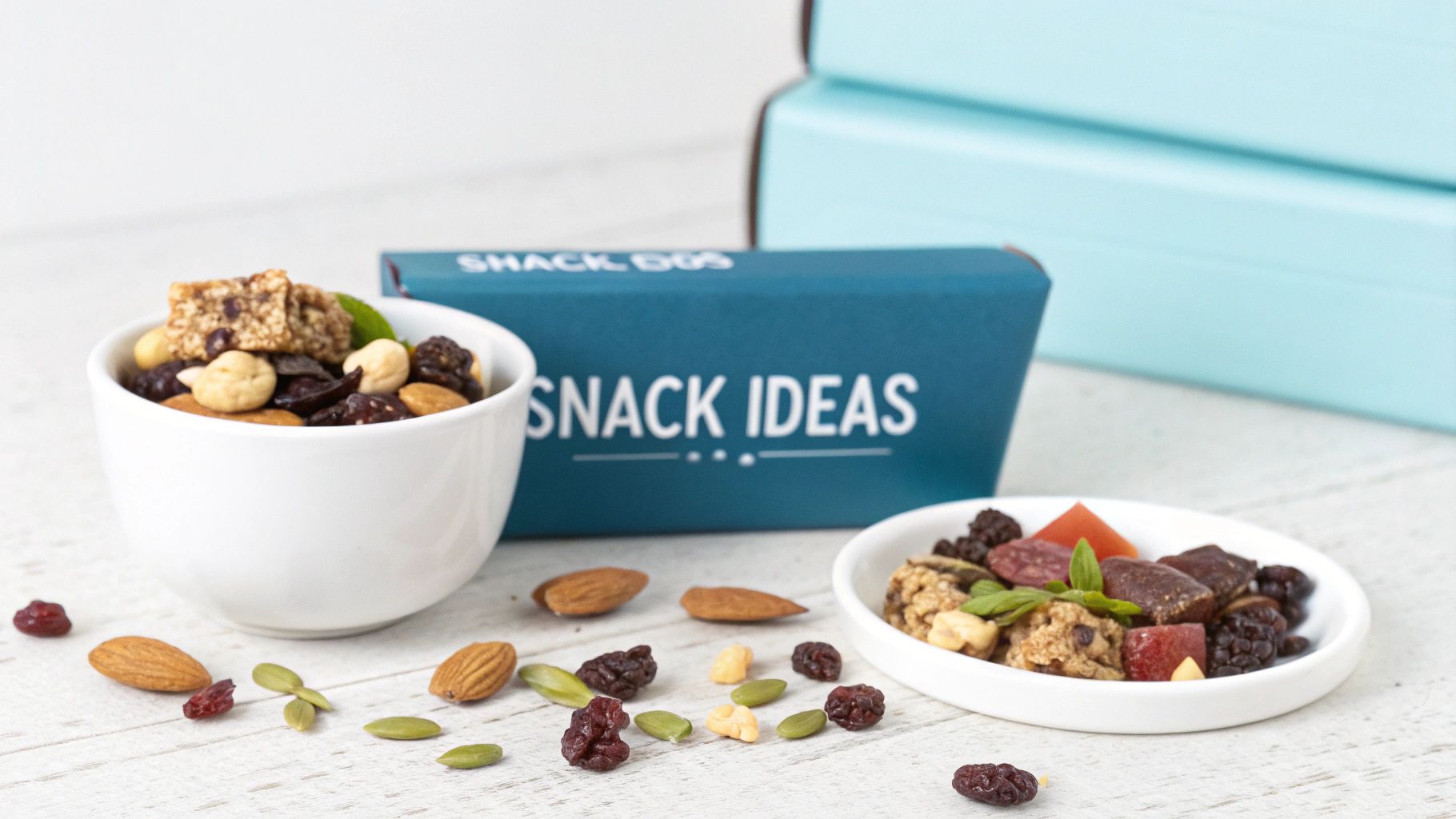
Knowing the "why" behind high-quality snacks is a great start, but the real magic happens when you put that knowledge into practice. Let's be honest, for any busy athlete, convenience is king. You need powerful, plant-based options that are ready to go when you are, don't require a ton of prep, and actually deliver the protein your body is demanding.
This is where a solid vegan jerky really shines. It's fantastic straight out of the bag, but its savory flavor and awesome chewy texture make it an incredibly versatile ingredient. Think of it as a secret weapon for adding a serious protein boost and a punch of flavor to all sorts of quick meals and snacks.
Quick Grab-and-Go Pairings
When you're crunched for time, these simple combos deliver a balanced mix of protein, carbs, and healthy fats. They’re perfect for that pre-workout energy kick or for immediate post-workout recovery.
- The Classic Combo: Grab a bag of Smoky Carolina BBQ jerky and an apple or a banana. The fruit gives you quick-digesting carbs for immediate energy, while the jerky provides a solid 15 grams of protein to get muscle repair started.
- Crunch & Chew: Mix a handful of Smoked Black Pepper jerky with some raw almonds or walnuts. You get sustained energy from the healthy fats in the nuts and a great protein foundation from the jerky.
- Sweet & Savory: This one's a personal favorite. A few pieces of Maple Bacon jerky alongside a small container of vegan yogurt. The flavor contrast is amazing, and you get this great creamy and chewy texture with a solid protein boost.
These simple pairings prove that effective protein snacks for athletes don't have to be complicated. They just need to be smart.
Simple Mini-Meal Recipes
Sometimes a handful of nuts just won't cut it. You need something more substantial than a snack but don't have the time to cook a full meal. These mini-meal ideas come together in minutes, giving you a serious nutrient boost to bridge the gap between training and your next big meal.
A well-crafted mini-meal should feel like more than just a snack. It's a strategic refuel that tops off your energy stores and provides a meaningful dose of protein to keep your recovery on track throughout the day.
Let’s look at a couple of easy recipes that turn vegan jerky from a simple snack into the star of the show.
Custom Protein Power Trail Mix
Forget those boring, store-bought trail mixes. You can create your own high-protein version that’s dialed in perfectly to your tastes and nutritional goals. This is a great one to prep in a big batch for the week ahead.
- Start with the Protein Base: Grab a bag of your favorite Louisville Vegan Jerky (like Pepperoni Pizza for a savory kick) and tear it into bite-sized pieces. Right there, you've added about 15 grams of high-quality protein.
- Add Healthy Fats: Toss in a cup of raw nuts and seeds. Almonds, cashews, pumpkin seeds, and sunflower seeds are all fantastic choices.
- Include Complex Carbs: For that slow-burn energy, add a handful of whole-grain pretzels or some toasted chickpeas.
- Finish with Natural Sweetness: A sprinkle of unsweetened dried fruit like apricots, raisins, or mango adds a touch of sweetness and some quick energy.
10-Minute Recovery Bowl
After a brutal workout, your body is screaming for nutrients—and fast. This recovery bowl is designed for speed and effectiveness, delivering everything you need to kickstart the repair process.
- Build Your Base: Start with a foundation of pre-cooked quinoa or brown rice.
- Add Your Veggies: Throw in some easy-prep vegetables like cherry tomatoes, chopped cucumber, or a big handful of spinach.
- Crumble the Jerky: Take a bag of General Tso's or Buffalo Hot Wing jerky and crumble it over the top just like you would with bacon-style bits. It adds an incredible burst of flavor and that all-important protein.
- Drizzle with a Healthy Fat: Finish it off with a quick drizzle of avocado oil or a spoonful of tahini dressing.
Each of these ideas transforms a simple ingredient into a powerful tool in your nutritional toolkit, making it easy to weave high-quality protein snacks for athletes into your daily routine.
Building Your Ultimate Athlete Snacking Plan
Alright, let's put all this theory into practice. The goal is to build a smart, simple snacking plan that works for your body and your training schedule. It’s about creating a routine that becomes second nature, so you’re not constantly scrambling or guessing what to eat.
A solid plan removes the guesswork and ensures you're consistently hitting those protein targets. Think of it this way: a sprinter’s training looks a lot different from a marathoner’s, and their nutrition should, too. By mapping out your snacks, you create a reliable system that fuels your specific goals.
Sample Plan for the Endurance Athlete
Endurance athletes are all about sustained energy and relentless recovery. You need fuel that prevents muscle breakdown during those long miles and helps you bounce back for the next session. Your snacking plan should reflect that.
-
Morning Run Fuel (60 mins pre-run): Grab a handful of Maple Bacon jerky and a small banana. You get a quick carb hit for immediate energy plus some easily digestible protein to start protecting your muscles.
-
Immediate Post-Run Recovery (within 30 mins): Have your custom Protein Power Trail Mix ready to go. This gets a crucial 15-20 grams of protein into your system right away to kickstart the muscle repair process.
-
Mid-Afternoon Bridge Snack: A small bowl of vegan yogurt with some crumbled Smoky Carolina BBQ jerky on top. It's a great way to top off your protein stores and keep your energy from crashing before dinner.
Sample Plan for the Strength Trainer
For those of us hitting the weights, it's all about maximizing muscle protein synthesis. Every workout is designed to break down muscle so it can rebuild stronger, and your snacks need to provide the building blocks for that growth.
For a strength athlete, every snack is an opportunity to support muscle growth. The goal is to create a constant supply of amino acids throughout the day, ensuring your muscles always have the resources they need to rebuild stronger.
-
Pre-Lift Power-Up (90 mins pre-workout): Try a slice of whole-grain toast with avocado and some crumbled Smoked Black Pepper jerky. The complex carbs provide sustained power for your lifts, while the protein gets your muscles primed.
-
Post-Workout Rebuild (within 45 mins): Whip up a 10-Minute Recovery Bowl with quinoa, greens, and a generous amount of Pepperoni Pizza jerky. Think of it as a perfectly balanced mini-meal designed for rapid absorption.
-
Evening Recovery Snack: A handful of almonds and a few pieces of your favorite jerky. This combination of healthy fats and slower-digesting protein is perfect for fueling overnight muscle repair while you sleep.
Making Your Plan Stick
These are just templates, of course. The best plan is the one you'll actually stick with day in and day out.
So, what's the secret to consistency? Preparation. It’s that simple. Spend a little time on Sunday prepping your snacks for the week. Portion them out. Keep your gym bag, car, and desk stocked with your go-to options, like a multi-pack of Louisville Jerky.
When a delicious, high-quality snack is always within arm's reach, making the right choice becomes the easy choice. This small habit makes a huge difference, eliminating decision fatigue and guaranteeing you’re always fueled for whatever comes next.
Got Questions About Vegan Protein? We've Got Answers.
Stepping into the world of sports nutrition can feel like navigating a maze, especially if you’re a plant-based athlete. Let's clear the air and tackle some of the most common questions head-on, so you can fuel your performance with confidence.
Can I Really Build Muscle on a Plant-Based Diet?
You absolutely can. The old myth that you need animal products to build muscle is just that—a myth. What truly matters for muscle synthesis is getting enough total protein and ensuring you’re consuming all the essential amino acids.
As long as you’re smart about it and pull from a variety of plant sources, you can build muscle just as effectively as anyone else. Foods like high-quality soy—the powerhouse behind Louisville Vegan Jerky—are a game-changer because they’re complete proteins. That means they deliver all nine essential amino acids your body can't make on its own, making them perfect for muscle repair and growth.
Is Soy Protein Actually a Good Choice for Athletes?
Yes, without a doubt. Soy is one of the top-tier plant proteins you can find. It's not only a complete protein but it's also easily digestible, meaning your body can put it to work quickly after a tough session. Study after study has confirmed it’s just as effective as animal-based proteins for building muscle.
Worried about hormones? The long-standing myths and concerns have been largely debunked by modern research. For athletes looking for a clean, non-GMO, and seriously effective protein, soy is a fantastic, reliable option.
How Do I Keep My Protein Snacks from Getting Boring?
Let’s be honest, nobody wants to eat the same thing every single day. The key to sticking with any nutrition plan is variety. If you're getting bored, it's a sign you need to mix things up!
This is where having a go-to with different flavors makes all the difference. Instead of another plain bar, you could grab something with a real kick, like Louisville Jerky's Smoky Carolina BBQ or Pepperoni Pizza flavors. Think beyond just eating it straight from the bag, too.
- Toss some jerky into a trail mix with your favorite nuts and seeds for a custom blend.
- Crumble it over a salad or a grain bowl for a savory, protein-packed crunch.
- Pair a few pieces with an apple or a handful of pretzels for a more balanced mini-meal.
A little creativity goes a long way in keeping your fueling strategy exciting and delicious.
Ready to make your snack routine anything but boring? Check out the full lineup of bold, chewy, and protein-packed flavors from Louisville Jerky and find your new favorite fuel. Shop now.