


Let's get straight to the point. Seitan (pronounced 'say-tan') is a popular plant-based protein derived entirely from wheat gluten. It’s often called 'wheat meat' for a good reason—its remarkably dense and chewy texture makes it stand out from nearly every other vegan option out there.
A Closer Look at Seitan Protein
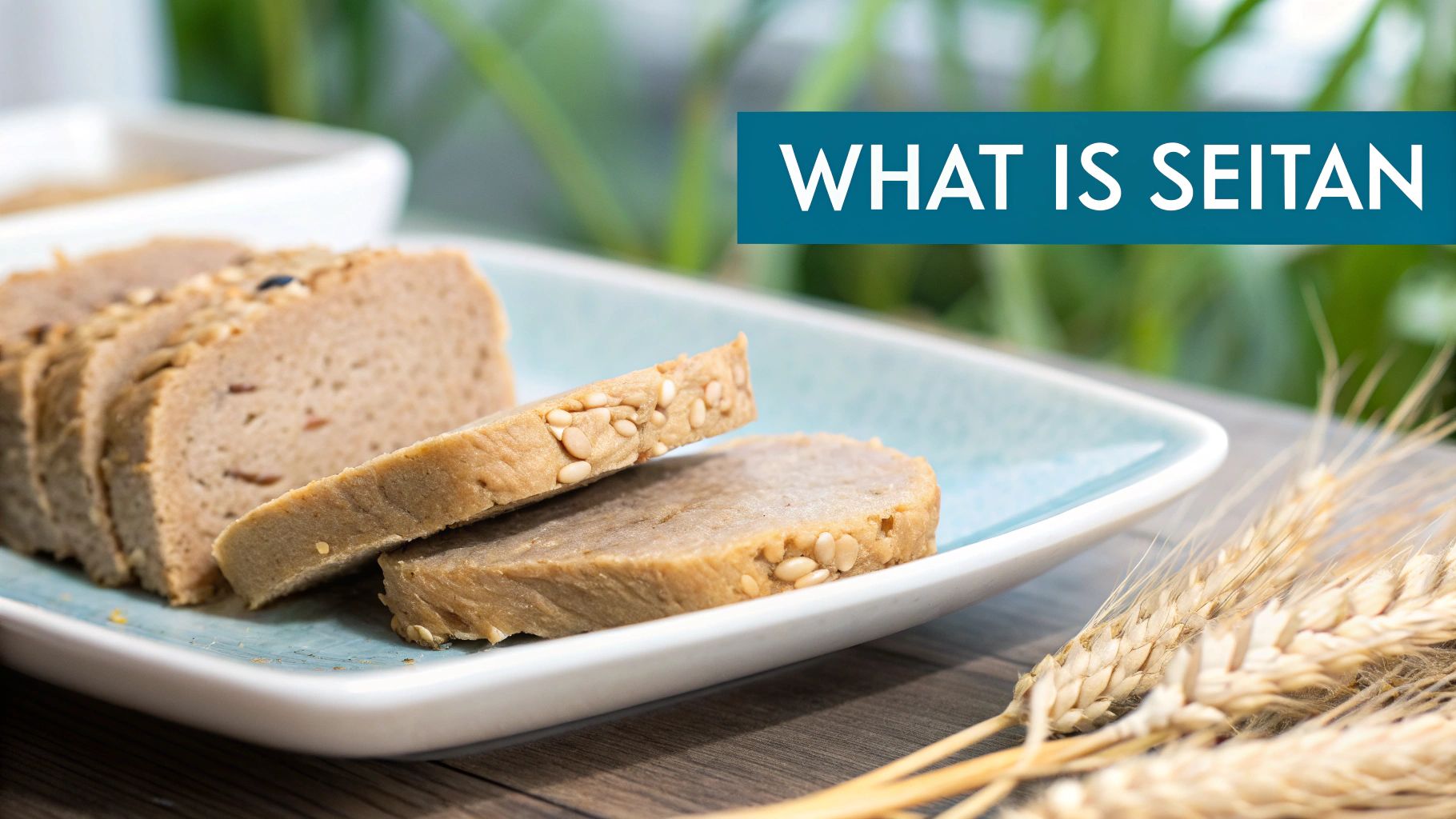
The process of making seitan is surprisingly straightforward. Imagine washing wheat flour dough with water until all the starch granules have been rinsed away, leaving behind just a sticky, elastic mass of pure gluten protein. That’s it. This simple, traditional method is what creates seitan’s signature meaty bite.
This food isn't some new invention; it has a long history, first developed by Buddhist monks in ancient Asia. They were looking for satisfying, high-protein foods, and seitan fit the bill perfectly. The name itself is Japanese, combining "sei" (meaning "made of") and "tanpaku" (meaning "protein").
The Appeal of Wheat Meat
So, what’s the big deal with seitan? Its biggest draws are its incredible versatility and deeply satisfying texture. Unlike tofu or tempeh, which can be softer, seitan has a firm, substantial chew that holds up beautifully in recipes. This quality alone has made it a foundational ingredient in many vegan kitchens and the secret weapon behind some of the best plant-based products on the market.
Another huge plus is its ability to act like a sponge for flavors. On its own, seitan has a mild, savory taste, making it a blank canvas. You can infuse it with just about anything, from a smoky barbecue marinade to a spicy, garlicky glaze, and it will soak it all up.
Seitan stands out because it delivers a truly satisfying chew that many people enjoy in a plant-based diet. It’s not trying to be a vegetable; it's a hearty, protein-focused ingredient.
A Protein-Dense Powerhouse
When it comes to protein content, seitan is a true heavyweight in the plant-based world.
Here's a quick look at what makes it so special.
Seitan Protein at a Glance
| Attribute | Description |
|---|---|
| Primary Source | Wheat gluten, the main protein in wheat. |
| Texture | Dense, chewy, and satisfyingly "meaty." |
| Flavor Profile | Mild and savory, easily absorbs marinades and spices. |
| Key Benefit | Extremely high in protein and low in fat and carbs. |
This unique combination of attributes makes it a go-to for many.
Seitan delivers an impressive 19 grams of protein per 100 kilocalories. That protein density is often higher than you'll find in common soy-based options like tofu or tempeh. This positions it as an ideal ingredient for anyone looking for high-protein snacks without turning to animal products, a trend highlighted in recent market insights on plant-based proteins.
This makes it an excellent choice for:
- Athletes and active individuals who need quality protein for muscle repair and recovery.
- Anyone on a vegan diet looking to easily hit their daily protein goals with satisfying meals.
- Creating delicious, cruelty-free snacks like flavorful jerky that demand a substantial, chewy texture.
How Flour Becomes High-Protein Seitan
It might sound like something cooked up in a modern food lab, but the method for making seitan is surprisingly low-tech and has been around for centuries. It all starts with two ingredients you definitely have in your kitchen: whole wheat flour and water. That's it. There are no weird additives or complex chemical reactions—just a brilliantly simple way to isolate pure plant-based protein.
The entire process works because of a unique property of wheat. When you mix flour and water, you’re creating a simple dough made of starch and protein. That protein is gluten, the very same stuff that gives bread its springy, elastic structure.
To get to seitan, you just have to separate the two.
The Washing Process Explained
The real magic happens when you take that simple dough and knead it under running water. Think of it like rinsing silt out of a pan to find gold nuggets; the water washes away all the soluble starch, leaving behind the dense, stretchy network of protein.
You keep kneading and rinsing until the water runs clear. What you're left with is no longer a starchy dough but a rubbery, elastic mass of pure wheat gluten. This physical transformation is what gives seitan its famous meat-like texture and turns everyday flour into a protein-packed ingredient.
This simple, hands-on technique is what separates seitan from so many other plant-based proteins. It's not chemically extracted or heavily processed. It's a physical refinement that concentrates the natural protein that was in the wheat all along.
This raw gluten is now a blank canvas, ready to be cooked and seasoned. Traditionally, it’s simmered in a savory broth—often with things like soy sauce, ginger, garlic, or kombu (seaweed)—which infuses it with a deep, umami flavor. This simmering step is crucial, as it firms up the gluten and sets its final chewy, satisfying texture.
From Ancient Method to Modern Snack
This very same process is how we get the incredible, satisfying chew in today's best plant-based foods.
Here’s a quick look at how that raw seitan is turned into a finished snack:
- Seasoning: First, the cooked seitan is marinated in bold, flavorful sauces, making sure every single bite is packed with taste.
- Slicing: Next, it’s cut into thin strips, the perfect shape and size for a jerky-style snack.
- Baking: Finally, the strips are baked to achieve that ideal chewy and dense texture you want in a great on-the-go snack.
It's this unique, hearty quality that makes seitan the perfect base for delicious vegan foods, like the products from Louisville Jerky Co., which expertly capture the satisfying experience of traditional jerky without using any animal products at all.
How Seitan's Nutrition Stacks Up Against Other Proteins
If you're looking for serious plant-based fuel, seitan belongs in its own category. It’s a true powerhouse, holding its own against other vegan staples. When you really dig into the numbers, it's easy to see why it's such a prized ingredient in a healthy, plant-forward diet.
For anyone trying to build strength, recover after a workout, or just stay full longer, the protein-to-calorie ratio is king. This is where seitan truly excels. A standard 100-gram serving can deliver a massive 25 grams of protein while keeping calories and fat incredibly low. It’s one of the most efficient ways to hit your protein goals without weighing yourself down.
Plant-Based Protein Showdown (Per 100g Serving)
To really get a feel for seitan's nutritional punch, the best way is to see it side-by-side with other common protein sources. This simple comparison really drives home its advantages, especially for active people on a plant-based diet.
| Protein Source | Protein (g) | Calories | Fat (g) |
|---|---|---|---|
| Seitan | 25g | 120 | 1.5g |
| Tofu (Firm) | 8g | 76 | 5g |
| Lentils (Cooked) | 9g | 116 | 0.4g |
| Chickpeas (Cooked) | 8.9g | 164 | 2.6g |
Heads up: These are typical values and can shift a bit based on brand and how you cook them.
The numbers don't lie. Seitan offers more protein than firm tofu, lentils, and chickpeas. This lean, high-protein profile is exactly why it’s become a go-to for vegan athletes and anyone wanting to fuel their body cleanly. If you want to explore more options, our guide on what is vegan protein is a great place to start.
A Quick Word on Amino Acids
Of course, a good protein discussion has to touch on amino acids—the "building blocks" of protein. Seitan contains all nine essential amino acids. That said, it is naturally a bit lower in one of them: lysine.
This isn't a problem, just a reminder of why a varied diet is so important. You can easily fill in that small gap with other delicious plant-based foods.
This is where the power of a well-rounded diet really shines. By simply including other lysine-rich foods in your meals, you create a perfectly balanced protein intake. It's much easier than it sounds.
Here are a few fantastic, lysine-packed options:
- Legumes: Lentils, chickpeas, and black beans are loaded with it.
- Soy Products: Tofu, tempeh, and edamame are excellent choices.
- Quinoa: This ancient grain is another complete protein that brings plenty of lysine to the table.
Think about it: a seitan stir-fry served over a bed of quinoa, or some seitan tacos loaded up with black beans. Just like that, you've created a delicious meal with a robust and complete amino acid profile. It's all about smart, simple pairings.
Weighing the Pros and Cons of Seitan
Just like any food, seitan has its own list of benefits and things to be mindful of. Getting a clear picture of both sides helps you decide if it’s the right fit for your diet and lifestyle. For many people, seitan is an absolute game-changer for plant-based eating.
The biggest plus is easy to see: seitan is a protein powerhouse with very little fat. This impressive nutritional profile makes it an incredible tool for meeting your daily protein needs without loading up on unwanted fat or calories. It's a fantastic option for anyone with an active lifestyle or someone just looking for a hearty, satisfying plant-based meal.
But beyond the numbers, its texture is what really makes it stand out. That dense, satisfying chew is what makes seitan so incredibly versatile, letting you whip up amazing, cruelty-free versions of familiar dishes.
Who Is Seitan For?
This unique plant protein is especially useful for people with certain dietary goals or restrictions. It opens up a world of high-protein meals for those navigating specific food choices.
Here’s who can really benefit from adding seitan to their plate:
- People with Soy Allergies: If you can't have tofu, tempeh, or edamame, seitan is one of the best ways to get a solid dose of plant-based protein.
- Athletes and Active People: Its high protein-to-calorie ratio is perfect for muscle repair and growth, making it efficient fuel for performance and recovery.
- Anyone Craving Variety: Let's be honest, meal rotations can get boring. Seitan adds a completely different texture and opens up new culinary doors, breaking up the routine of other plant-based staples.
Its versatility and soy-free nature make it a key player in any well-stocked vegan kitchen.
The real magic of seitan is its ability to deliver a truly hearty, satisfying meal. It fills a textural niche that very few other plant foods can, making compassionate eating not just possible, but incredibly delicious.
Important Caveats: Who Should Avoid Seitan
Now, we have to be crystal clear about who should skip seitan altogether. The very ingredient that defines it—wheat gluten—is also what makes it a no-go for a lot of people. There's no gray area here: if you have any issues with gluten, seitan is completely off the table.
Since seitan is literally just concentrated wheat gluten, it must be strictly avoided by anyone with:
- Celiac Disease: This is a serious autoimmune disorder where eating gluten causes damage to the small intestine.
- Gluten Intolerance or Sensitivity: This condition can cause significant digestive distress and other uncomfortable symptoms after consuming gluten.
- A Wheat Allergy: This is an allergic reaction to proteins found in wheat, which of course includes gluten.
For anyone in these groups, eating seitan could lead to serious discomfort and health problems. Thankfully, the plant-based world is bursting with other amazing, gluten-free protein sources like lentils, beans, quinoa, and soy, so everyone can enjoy a healthy, cruelty-free diet safely.
Delicious Ways to Use Seitan in Your Kitchen
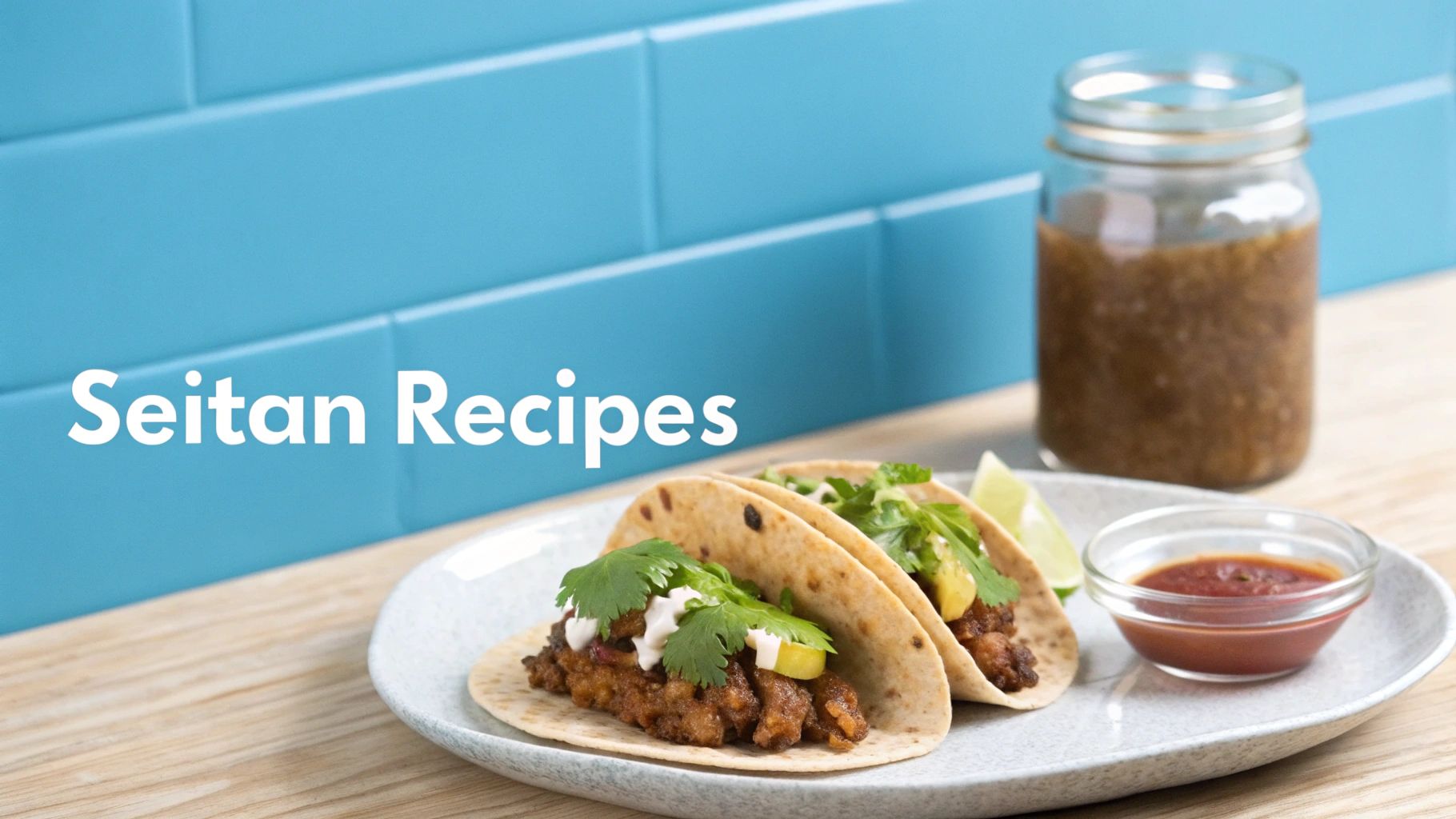
This is where the real fun begins. Once you get a handle on seitan, you can start exploring all the amazing things it can do in your own kitchen. The magic is in its incredible versatility.
Seitan’s dense, chewy texture holds up beautifully to just about any cooking method you can think of—grilling, frying, simmering, baking, you name it. Its real strength, though, is its fairly neutral, savory flavor profile. Think of it as a blank canvas, ready and willing to soak up any marinade, spice blend, or sauce you throw its way. This is what lets it slide so perfectly into countless global cuisines and classic comfort foods.
Endless Culinary Possibilities
Honestly, the ways you can cook with seitan are pretty much only limited by your imagination. You can slice it for sandwiches, crumble it for tacos, cube it for stir-fries, or even shape it into hearty steaks for the grill. Because it's so sturdy, it won't fall apart in soups or stews, making it a super reliable addition to slow-cooked meals.
Here are just a few ideas to get the wheels turning:
- Hearty Sandwiches: Slice seasoned seitan thin and pile it high for a satisfying vegan Philly cheesesteak or a classic Reuben.
- Flavorful Stir-Fries: Cube some seitan and toss it into a sizzling wok with fresh veggies and a savory sauce. It's an awesome, protein-packed weeknight dinner.
- Satisfying Tacos and Burritos: Crumble seitan and season it with chili powder and cumin for a delicious, cruelty-free filling for all your Mexican-inspired favorites.
- Grilled Steaks and Skewers: Marinate thick cuts of seitan in a smoky, savory blend and throw them on the grill for a perfect BBQ centerpiece.
Seitan’s true potential shines when you treat it like a culinary chameleon. Its ability to absorb bold flavors makes it a game-changer for creating compassionate versions of your favorite dishes.
If you’re ready to dive in, check out this recipe for unbeatable homemade vegetarian hot dogs to see just how versatile this ingredient can be.
Beyond the Home Kitchen
The very same qualities that make seitan a star at home—that satisfying texture and amazing ability to soak up flavor—also make it the perfect base for convenient, ready-to-eat snacks. This is where its potential really gets interesting. That hearty chew is the secret behind some of the best plant-based jerky out there.
At Louisville Jerky Co., we’ve figured out how to harness this potential to create some truly bold, unforgettable flavors. We take high-quality, non-GMO seitan and transform it into delicious, protein-packed snacks perfect for any time.
- Smoky Carolina BBQ brings you the classic tangy and sweet notes of traditional barbecue.
- Maple Bacon delivers that perfect balance of smoky and sweet for a truly nostalgic flavor.
This approach turns seitan from a simple meal ingredient into a handy source of fuel for road trips, gaming sessions, or post-workout recovery. The possibilities don't stop there, either. Products like our Louisville Toppins' add a savory, bacon-like crunch to salads, pizzas, and loaded baked potatoes. It’s proof that seitan’s versatility really has no limits.
Seitan's Role in the Future of Plant-Based Eating
Seitan is way more than just another health food you'd find tucked away in a specialty store. It's quickly becoming a major player in the worldwide shift towards more sustainable and compassionate ways of eating.
This isn't just some passing fad. It’s a genuine consumer movement, fueled by a collective desire for food that’s better for our bodies, kinder to the planet, and more humane to animals.
As this consciousness grows, so does the hunger for great plant-based proteins, and seitan is carving out a serious niche. Its uniquely hearty texture and high protein content make it a fantastic option for everyone, from dedicated vegans to curious foodies just looking to eat fewer animal products.
The Growing Market for Seitan
The data tells a pretty clear story: seitan is on the rise. The global market is booming, with one forecast predicting it will grow from USD 92.54 million in 2025 to a whopping USD 133.22 million by 2030. Another analysis projects it will hit USD 110.40 million by 2035.
This surge in demand is creating a fantastic cycle of innovation, pushing food creators to dream up new and exciting seitan products that fit our modern lifestyles. This plant-based wave is lifting all boats, and you can see similar trends happening everywhere, like with the expanding market for vegan-friendly beverage options. It's a broad cultural shift.
Choosing seitan is more than just a dietary decision—it's a vote for a more sustainable and ethical food system. Each choice contributes to a larger, positive change in our collective food culture.
This innovation is exactly what led to convenient, protein-packed snacks like Louisville Vegan Jerky. By starting with high-quality, non-GMO seitan, brands can create that satisfying chew and bold flavor people want in a grab-and-go format.
If you're looking to explore the landscape of meat alternatives, our guide to good vegan meat substitutes is a great place to start. As more people discover its potential, seitan is poised to play an even bigger part in shaping a delicious, plant-powered future.
Your Seitan Questions, Answered
Got a few more questions about seitan? Let's clear them up. We'll tackle some of the most common curiosities people have when they're first exploring this amazing plant-based protein.
Is Seitan a Complete Protein?
This is a great question. Seitan actually contains all nine essential amino acids, but it's naturally a bit low in one of them: lysine.
Don't let that worry you, though. It's incredibly easy to make up for this by pairing seitan with other lysine-rich foods like beans, lentils, or quinoa. Honestly, this is something you're probably already doing in any well-rounded diet.
What Does Seitan Actually Taste Like?
By itself, seitan has a very neutral, savory taste—think of a simple, unseasoned broth. But that's its secret weapon. Its real magic is in its incredible ability to soak up the flavors of whatever you cook it with.
Marinades, spice rubs, sauces… seitan absorbs them all. This, combined with its signature dense and chewy texture, makes it the perfect canvas for everything from smoky vegan jerky to a rich, hearty stew.
Can I Eat Seitan Every Day?
You bet. As long as you don't have a gluten or wheat sensitivity, seitan can be a fantastic and satisfying part of your daily meals.
Of course, variety is always the best approach for a healthy diet. Mixing it up with other plant-based proteins ensures you're getting a wide range of nutrients. If you're wondering where to find it in stores, we have a helpful guide on where to buy seitan that can point you in the right direction.
Ready to experience the satisfying chew and bold flavor of seitan? Louisville Jerky Co. crafts delicious, non-GMO, and cruelty-free vegan jerky perfect for any adventure. Find your new favorite snack today!